ON VALUE
The cost of a sweater, divided by the years you will wear it
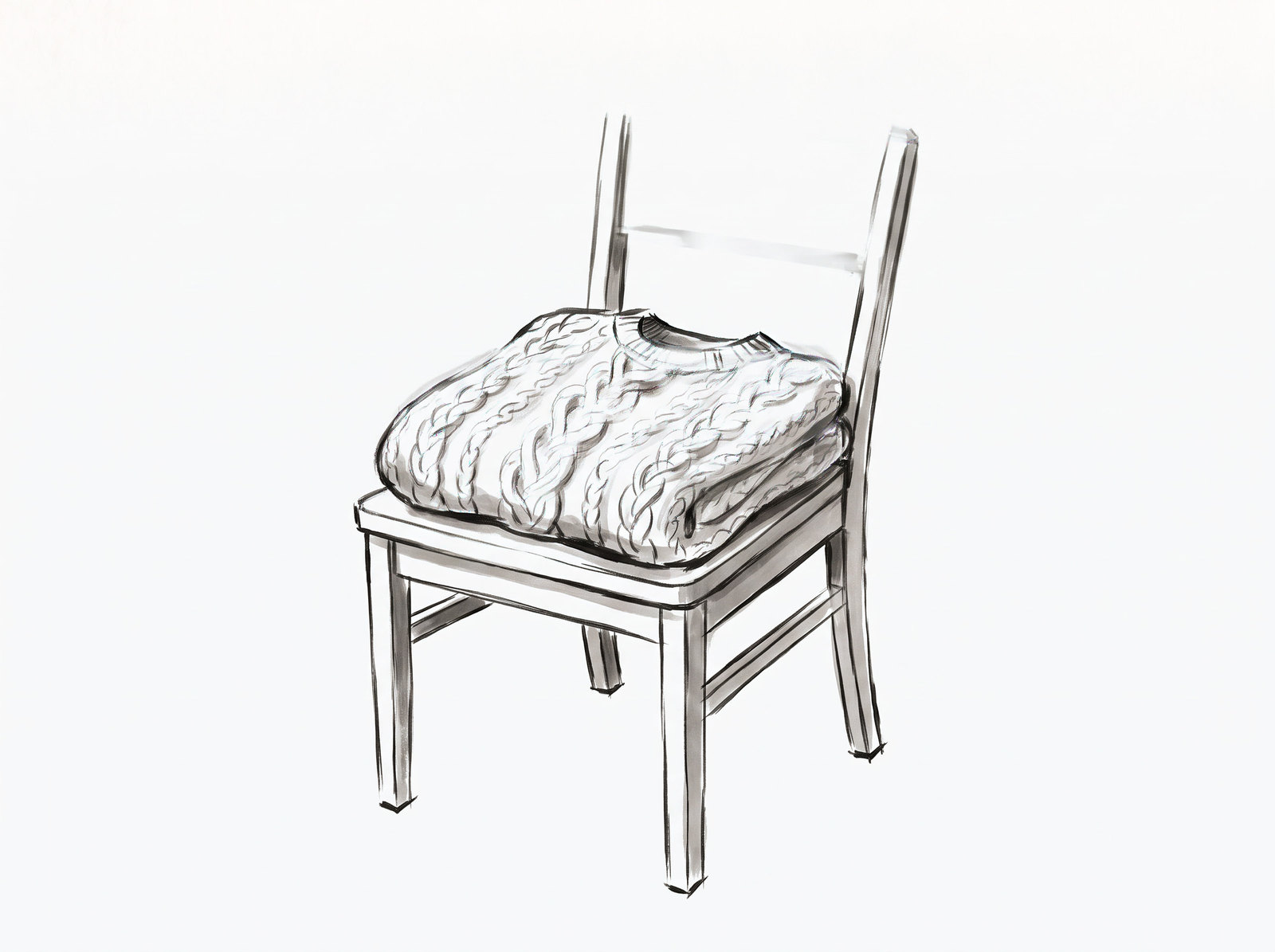
There is a calculation, popular among the thrift-conscious, called cost-per-wear. You take what a garment cost and divide it by the number of times you have worn it. A coat at £300 worn two hundred times has cost you £1.50 a wearing; a dress at £30 worn twice has cost you £15. The arithmetic is meant to console.
But the calculation, examined closely, is not really about money. It is about attention. To know the cost-per-wear of a garment is to know two things at once: what you paid, and what you have actually done with it. The first is a figure you knew on the day. The second accumulates quietly, against your own forgetfulness, until eventually it tells the truth.
It is, in this sense, a moral instrument. The expensive thing you wear constantly grows cheaper every Tuesday. The cheap thing you wear once grows more expensive every season it hangs unworn. The number is a small, honest reckoning of whether you chose well.
In Atelier, every item carries its cost-per-wear, updated each time you log a wear. The leaderboards are not a ranking but a mirror. The cheapest item in the wardrobe is, almost always, not the cheap one.